




“Do I need to send this contractor a 1099?”
It sounds like a simple client question. But for CPA firms managing dozens or hundreds of clients, answering it can mean checking the payment type, recipient, amount, tax year and applicable IRS rules.
And that’s before the actual forms are prepared and filed.
Understanding when does a 1099 need to be issued is therefore an important part of year-end tax compliance. For 2026, there’s another detail CPA firms need to keep in mind: the reporting threshold for several types of payments increased from $600 to $2,000.
So, when is a 1099 required, and how can CPA firms make sure nothing slips through the cracks?
Let’s break it down.
What Is a 1099 Form and Why Does It Matter?
Think of a 1099 as a way for businesses to tell the IRS, “We paid this person or business this amount during the year.”
Unlike a W-2, which generally reports employee wages, 1099 forms are used for various types of payments, including qualifying payments to independent contractors, rents, interest, dividends, and other income.
For CPA firms, the challenge isn’t simply preparing the form. It’s identifying which clients need to file, which payments are reportable and which form applies.
Get any of those wrong, and your team could be dealing with corrections, client questions, and unnecessary compliance headaches.
Which CPA Firms Need to File 1099 Forms?
Here’s the important distinction: CPA firms don’t necessarily file 1099s because they’re CPA firms. They may need to file them because their business or their clients’ businesses made reportable payments.
A business may have a 1099 reporting obligation when it makes qualifying payments during the course of its trade or business.
For example, a CPA firm’s client may have paid:
- An independent contractor for services
- A landlord for business rent
- An attorney for legal services
- A healthcare provider for qualifying services
- Someone for qualifying prizes or awards
- A vendor for royalties
The reporting rules depend on the type of payment and the recipient. The IRS provides an overview of information return requirements to help businesses determine which forms may apply.
The takeaway for CPA firms: Don’t start with the form. Start with the payments.
Which Payments Require 1099 Reporting?
This is where the question “when does a 1099 need to be issued?” gets interesting.
The answer isn’t simply “whenever a business pays someone.”
For payments made in 2026, qualifying nonemployee compensation of $2,000 or more generally must be reported on Form 1099-NEC. Certain payments to attorneys are also reportable.
Form 1099-MISC covers other types of payments. For example, the $2,000 threshold generally applies to qualifying rents, prizes and awards, other income payments, and certain medical and healthcare payments made in 2026. Royalties generally have a separate $10 threshold.
Here’s a quick way to think about it:
Payment type | Common form | 2026 general threshold |
Nonemployee compensation | 1099-NEC | $2,000 |
Rent | 1099-MISC | $2,000 |
Royalties | 1099-MISC | $10 |
Certain attorney payments | 1099-NEC/1099-MISC | Depends on payment type |
Important: The applicable threshold can depend on the payment and tax year. CPA firms should always verify the current IRS instructions before filing.
What Are the Different Types of 1099 Forms?
“1099” isn’t actually one form. It’s a family of information returns.
Some of the forms CPA firms are most likely to encounter include:
- 1099-NEC: Generally used for qualifying nonemployee compensation.
- 1099-MISC: Used for various payments, including qualifying rents and royalties.
- 1099-INT: Reports certain interest income.
- 1099-DIV: Reports dividends and certain distributions.
- 1099-R: Reports certain retirement plan and annuity distributions.
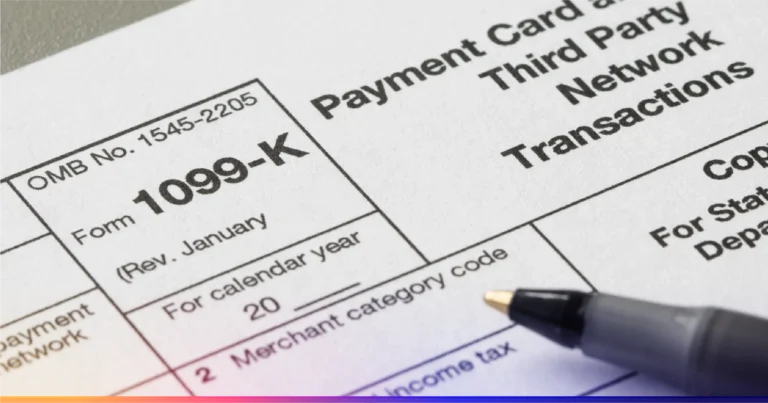
- 1099-K: Reports certain payment card and third-party network transactions.
- 1099-S: Reports certain real estate transactions.
How Can CPA Firms Prepare for 1099 Filing?
Knowing when a 1099 is required is only half the battle. The bigger challenge can be getting all the information together before deadlines arrive.
A smoother process starts well before January.
Start With a Vendor Review
Don’t wait until filing season to discover that a client doesn’t have a contractor’s tax identification number.
Encourage clients to collect Form W-9 information from applicable vendors throughout the year.
Review Payments, Not Just Vendors
A vendor may receive multiple types of payments. Review the actual transactions and categorize them correctly rather than assuming every payment to a vendor is reportable—or that none of it is.
Reconcile Before Preparing Forms
Compare accounts payable records, general ledger data and payment records. This can help identify missing or duplicate payments before forms are generated.
Track Deadlines
For Form 1099-NEC, the IRS generally requires the form to be filed with the IRS and furnished to the recipient by January 31. Other 1099 forms can have different deadlines depending on the form and filing method.
Standardize the Workflow
A repeatable checklist can make 1099 preparation much easier across multiple clients. Technology can also help firms automate data collection, identify potential reportable payments and track filing status.
What Mistakes Should CPA Firms Avoid During 1099 Filing?
Even experienced teams can run into problems when they’re processing large volumes of forms.
Watch out for these common mistakes:
Using the wrong threshold: The threshold can change based on the tax year and payment type.
Choosing the wrong form: 1099-NEC and 1099-MISC don’t serve the same purpose.
Missing attorney payments: Certain payments to attorneys have specific reporting rules, including situations where the recipient is incorporated.
Waiting for missing W-9 information: Chasing taxpayer information at the last minute creates avoidable pressure.
Ignoring reconciliation: Preparing forms directly from incomplete payment data can lead to incorrect reporting.
Missing deadlines: A correct form filed late can still create compliance issues.
Conclusion
So, when does a 1099 need to be issued?
The answer depends on what was paid, how much was paid, who received it, and when the payment was made.
For CPA firms, the best approach is to make 1099 preparation a process rather than a once-a-year scramble. Early vendor data collection, payment reviews, reconciliation, and standardized workflows can make filing more accurate and manageable.
And when client volumes increase, additional operational support can help your team keep up without pulling experienced CPAs away from higher-value work.
Need help expanding your accounting team’s capacity? Contact Befree to explore flexible accounting and tax support for your CPA firm.
Frequently Asked Questions
When does a 1099 need to be issued?
A 1099 generally needs to be issued when a business makes a payment that meets the IRS reporting requirements for that form.
When is a 1099 required?
When is a 1099 required? It depends on the payment type, recipient, amount and applicable tax-year rules.
When do 1099s need to be filed?
When do 1099s need to be filed? Form 1099-NEC is generally due to recipients and the IRS by January 31. Other 1099 forms have different deadlines.
When do I need a 1099?
When do I need a 1099? You may need one when your business makes qualifying payments for services, rent, royalties or other reportable transactions.
What is the 1099-NEC threshold for 2026?
For qualifying payments made in 2026, the general 1099-NEC reporting threshold is $2,000.
Do independent contractors get a 1099?
They may. Businesses generally use Form 1099-NEC to report qualifying nonemployee compensation when the applicable reporting requirements are met.
Are payments to attorneys reported on a 1099?
Certain payments to attorneys are reportable, including some payments that are reportable even when the attorney operates as a corporation.