

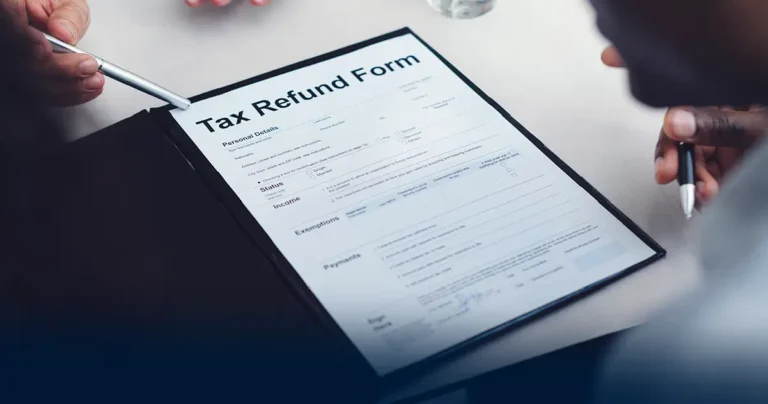
For UK businesses, the submission of a tax return is not optional; it is a statutory requirement that must be fulfilled accurately and on time. This includes sole traders, partnerships and limited companies.
Many business directors are unaware of the distinction between a business tax return, an income tax return, and a limited company tax return. This is especially important as rules are becoming tighter and the submission of returns is now digital.
For businesses that are growing, business tax filing is not just a routine task; it directly impacts credibility, compliance standing and financial governance. Structured compliance delivered through specialist outsourced tax services ensures accuracy, reduces risk and strengthens financial governance.
Understanding Business Tax Return in the UK
What is a Business Tax Return?
A business tax return is the official declaration of income earned by the business, submitted to HMRC. The type of tax return you need to file depends on your business structure:
- Sole traders and partners report their income through a Self Assessment tax return.
- Limited companies file a Company Tax Return and pay Corporation Tax on their profits.
- Directors of limited companies may also need to complete a Self Assessment tax return if they receive dividends or have additional income.
Limited Company Tax Return and Corporation Tax
What is a Limited Company Tax Return?
A limited company tax return is the Corporation Tax return (CT600) that all active UK limited companies must submit to HMRC.
You must submit a Corporation Tax return even if the company has made no profit, unless HMRC has confirmed the company is dormant.
The return includes:
- Corporation Tax calculations
- Company accounts
- Supporting computations
Corporation Tax Deadlines
Understanding deadlines is critical. Official Corporation Tax rules and timelines are outlined on the Corporation Tax guidance page.
- Corporation tax payment due: 9 months and 1 day after the end of the accounting period
- Company tax return online submission due: 12 months after the end of the accounting period
Late submissions trigger automatic penalties, interest charges, and potential compliance investigations.
Today, businesses must submit their company tax return online via HMRC-approved software — paper submissions are no longer standard practice. With the continued rollout of digital reporting requirements, understanding how HMRC Making Tax Digital is transforming UK tax compliance is increasingly important for businesses of all sizes.
Income Tax Return for Directors and Business Owners
When Directors Must File an Income Tax Return
Directors typically need to file an income tax return online if they receive:
- Dividend income
- Untaxed income
- Rental income
- Foreign income
- High annual income requiring Self Assessment
Income Tax e-Filing Process
To complete income tax e-filing, individuals must:
- Apply for tax return registration (Self Assessment) if not already registered
- Receive their Unique Taxpayer Reference (UTR)
- Submit their return through the HMRC online portal
Key deadlines:
- 31 October – Paper returns
- 31 January – Online submission and payment
Missing these deadlines results in automatic penalties and daily interest charges. Registration can be completed through the official Self Assessment registration service.
How to File a Tax Return Online in the UK
Step 1: Register with HMRC
Step 2: Prepare Financial Records
Step 3: Calculate Taxable Profit
If you are submitting a tax return for a business, you will need to include allowable expenses and capital allowances.
If you are submitting an income tax return, you will need to include salary, dividends, and other sources of income.
Step 4: File Tax Return Online
Submit through HMRC online or approved software:
- File income tax return online (SA100)
- Submit company tax return online (CT600)
Step 5: Pay Before Deadline
Documents Required for Business Tax Filing
For Limited Company Tax Return
- Company accounts
- Bookkeeping records
- Payroll summaries
- Dividend vouchers
- Bank statements
- Capital expenditure details
For Income Tax Return
- P60 or P45
- Dividend income statements
- Rental income statements
- Pension contributions
- CIS statements (if applicable)
Filing Company Tax Return Online: Internal vs Professional Management
Internal Business Tax Filing
Good for:
- Low transactional volume
- Simple revenue profile
- Robust internal accounting controls
However, directors must understand adjustments for Corporation Tax and allowable expenses correctly.
Outsourced Business Tax Filing
Professional help can:
- Reduce the risk of compliance
- Ensure greater technical accuracy
- Minimise errors in calculation
- Strengthen audit readiness
- Save management time
Key UK Tax Filing Deadlines
Corporation Tax
- Payment: 9 months and 1 day after the accounting period ends
- Return submission: 12 months after the accounting period ends
- Late filing penalties apply automatically
Income Tax
- Deadline for online filing: 31 January
- Deadline for payment: 31 January (payments on account may also be required)
- Delays incur interest and penalties
- It is important to submit the tax return on time to avoid financial and reputational risks.
Common Mistakes in Business Tax Returns
Even well-managed businesses may encounter issues such as:
- Incorrect expense classification
- Failure to disclose dividends
- Incorrect claims of capital allowance
- Late filing of business tax
- Failure to make timely applications for tax return registration
- Incorrect submission of the company tax return online
These are some of the common issues that may arise, leading to penalties, checks, or investigations from HMRC. Many of these issues arise from weak record-keeping systems that could be avoided through structured outsourced bookkeeping services.
Common Mistakes in Business Tax Returns
| Area | Business / Corporation Tax | Income Tax |
|---|---|---|
| Who files | Limited company | Individual / Director |
| Tax type | Corporation Tax | Income Tax |
| Filing method | Company tax return online (CT600) | File income tax return online |
| Payment deadline | 9 months + 1 day | 31 January |
| Regulatory body | HMRC | HMRC |
Understanding this distinction is critical for directors who operate through a limited company.
Do Businesses Need Professional Support for Tax Filing?
When Internal Filing May Be Suitable
- Low transaction volume
- Single revenue stream
- No complex tax adjustments
- Strong internal accounting controls
When Professional Support Is Advisable
- Multiple revenue streams
- Group structures or cross-border operations
- Rapid growth phase
- Governance and audit requirements
- Complex Corporation Tax computations
Businesses facing audit scrutiny often benefit from structured audit support services to ensure reporting accuracy and compliance readiness. In a B2B environment, structured compliance enhances investor confidence, strengthens lender relationships and supports robust corporate governance.
How Befree Supports UK Businesses
Befree provides complete assistance with:
- Preparation of business tax returns
- Calculation of Corporation Tax
- Ensuring accurate filing of company tax returns
- Director-level income tax returns
- Structured online management of company tax returns using HMRC-compliant systems
- Ongoing compliance monitoring and advice
Conclusion
Filing a tax return is a legal requirement for UK businesses. A tax return for a limited company and a tax return for income tax are different tasks that have to be completed separately.
The process of filing your company tax return online requires accurate calculations, accurate figures, and well-organised documents. As regulations become increasingly strict, it is advisable to have someone oversee the process to minimise risks and enhance corporate governance.
For growing UK businesses, filing taxes on time is not just about meeting deadlines – it is about protecting stability and securing long-term success. Contact us today to ensure your company remains compliant and confidently prepared for the future.
FAQs
Can I file a company tax return online without an accountant?
What happens if I file corporation tax late?
Do directors always need to file an income tax return?
How do I apply for tax return registration?
What penalties apply for late business tax filing?
The longer you delay, the higher the penalties, which may include fines, daily charges, and interest. The full HMRC penalty structure is available on the penalties guidance page.