

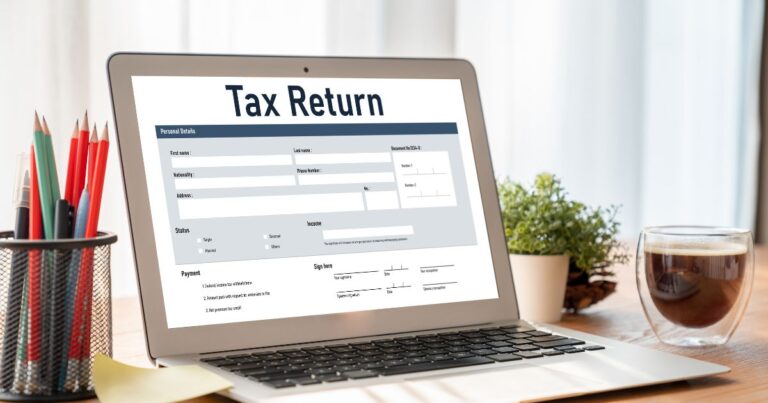
Each year, individuals must lodge a tax return with the Australian Taxation Office (ATO) to report their income and claim eligible deductions.
Lodging your tax return in Australia on time is more than just an annual task. It has implications for your refund, your lodgement history with the Australian Taxation Office (ATO), and your future borrowing power.
If you’re wondering:
- How to lodge a tax return
- How to lodge tax return online
- How to lodge your tax return in Australia.
- How do you do your tax return properly
- How to lodge and claim your tax return online via myGov and the ATO.
This guide explains how to lodge your tax return step-by-step.
Understanding Tax Return Australia: What You Need to Report
Your tax return in Australia is your annual income tax report that you need to submit to the Australian Taxation Office. You are required to report the following:
- Employment income (salary and wages)
- Business or sole trader income
- Investment income (shares, cryptocurrency, property)
- Government payments
- Deductions and offsets
Tax rules and reporting requirements can change over time due to updates in Australian tax reform, so it’s important to stay informed about the latest ATO regulations when lodging your tax return.
Who Needs to Lodge a Tax Return in Australia?
| Situation | Must Lodge? |
| You earned over the tax-free threshold ($18,200) | Yes |
| Tax was withheld from your salary | Yes |
| You ran a sole trader business | Yes |
| You received government benefits | Often Yes |
| You had capital gains | Yes |
| You earned foreign income | Yes |
Common Documents Needed to Lodge a Tax Return
Before you lodge your tax return in Australia, gather the key documents that show your income and deductions. This makes filing your tax return online through the ATO quicker and more accurate.
Common documents include:
- Income statement from your employer (available via ATO online services in myGov)
- Bank interest statements
- Private health insurance statement
- Receipts for work-related expenses
- Investment income records (shares, property, managed funds)
- Cryptocurrency transaction records
- Government payment summaries (if applicable)
Having these documents ready helps ensure your tax return is complete and correct before lodging it online.
How to Lodge a Tax Return Online in Australia
Most Australians now lodge their tax return online in Australia using myGov and ATO Online Services.
Step 1: Set Up Your myGov Account
Go to the myGov website and create an account if you don’t already have one. You’ll need your Tax File Number (TFN) and identification documents to verify your identity and link your account to the ATO.
Step 2: Access ATO Online Services
Once logged into myGov, select the ATO service and navigate to the “Lodge” section. Here, you can open your pre-filled tax return, which already includes information reported to the ATO by employers and financial institutions.
Pre-filled information may include:
- PAYG statements
- Bank interest
- Private health insurance
- Government payments
This pre-filled data helps reduce manual entry and speeds up the lodging process.
Step 3: Review Your Pre-Filled Income
Carefully check all the information provided to make sure nothing is missing or incorrect. You may need to manually add income from freelance work, cryptocurrency transactions, or rental properties if it hasn’t been automatically included.
The ATO uses data matching systems, so even small discrepancies can lead to reviews or amended assessments.
Step 4: Add Your Deductions
Enter any deductions you’re eligible to claim, making sure they are directly related to earning your income. This step is important, as incorrect claims are one of the most common mistakes in tax returns.
Common deductions include:
- Business expenses
- Home office expenses
- Car expenses
- Professional memberships
- Self-education expenses
Make sure you keep all supporting records for at least five years in case the ATO requests verification. For detailed guidance on eligible deductions, refer to the ATO’s official page on deductions you can claim.
Lodging a Tax Return as a Contractor or Sole Trader
If you are a contractor or freelancer, your tax return becomes more complicated. Here is what you need to report:
- Your business income
- The Business & Professional Items schedule
- GST if you are a registered business
- PAYG instalments
You may also need to reconcile your BAS lodgements.
If you run a business or side hustle, your tax return usually requires additional reporting. Keeping accurate records throughout the year makes lodgement much easier.
For more information, see the ATO Sole Trader Guide.
ATO File Taxes Yourself or Use a Tax Agent?
Individuals can file tax in Australia themselves using ATO online services, or choose to work with a registered tax agent for professional assistance. When deciding whether to file your taxes through the ATO or hire a professional, consider the following points:
| DIY (myGov) | Registered Tax Agent |
| Lower cost | Professional review |
| Faster | Error risk reduced |
| Suitable for simple salary income | Better for investments or business |
| Must meet 31 October deadline | Later deadlines often available |
Many individuals and small businesses choose to rely on tax preparation outsourcing services to ensure deductions are accurate, risks are minimised, and lodgement deadlines are met with confidence.
How Do You Do Your Tax Return Without Mistakes?
Here are the most common mistakes Australians make when lodging their tax return:
1. Overclaiming Deductions: The ATO uses data matching to flag unusual deduction patterns — so overclaiming is risky.
2. Ignoring Investment Income: Cryptocurrency, ETFs, and foreign shares – all must be reported.
3. Claiming Private Expenses as Work-Related: The ATO actively reviews work-related expense claims, particularly home office costs and clothing.
4. Forgetting Medicare Levy Surcharge: Where income is above the thresholds but private health insurance is not held, a greater tax liability may be due.
What You Can Claim When Filing Tax Online with the ATO
| Deduction Type | Claimable? | Notes |
| Work from home | Yes | Fixed rate or actual method |
| Travel to regular workplace | No | Usually private expense |
| Uniforms with logo | Yes | Must be compulsory |
| General clothing | No | Even if worn to work |
| Laptop for work | Yes | Apportioned for personal use |
Important Deadlines for Lodging Tax Return Online
Category | Deadline |
Individuals (self-lodged) | 31 October |
Using tax agent | May vary |
Late lodgement | Penalties apply |
For a detailed breakdown of key lodgement deadlines and extension rules, read our complete guide on tax return due dates in Australia.
When Your Tax Situation Becomes Complex
If any of the following apply, you may want to seek professional advice:
- You own investment properties
- You trade cryptocurrencies regularly
- You are in business
- You have more than one source of income
- You receive income from abroad
- You make large deductions for work-related expenses
Even small errors can result in an assessment notice, an audit, or additional interest charges. In this situation, accounting outsourcing services may provide ongoing financial management throughout the year instead of only preparing tax returns annually.
Ask yourself:
- Do you know exactly what the ATO already knows about your income?
- Are your deductions sound and supportable?
Would you feel confident in responding to an ATO review notice?
How Long Does a Tax Refund Take in Australia?
If you’re lodging tax return online through myGov:
- Standard processing: ~2 weeks
- Paper returns: Up to 10 weeks
You can track progress via ATO online services.
Simple Tips to Manage Your Tax Records
Even if you’re lodging on your own, staying on top of your records throughout the year makes tax time much less stressful. Here are a few tips to get you started:
1. Maintain Separate Accounts for Side Income: It is easier to track income and deductions when you have separate accounts.
2. Keep Digital Records: Organise receipts and statements in cloud storage or reliable accounting software.
3. Review PAYG Withholding: Check that the right amount of tax is being withheld from your pay. If too little is withheld, you may end up with a tax bill at lodgement time.
4. Pre-Plan for Next Financial Year: Tax planning should not be treated as a once-a-year activity.
Need Help Lodging Your Tax Return?
Lodging your Australian tax return correctly goes beyond just meeting compliance obligations; it also protects your financial integrity and future.
If your personal financial circumstances change or you would like more assurance before lodging your tax return, working with qualified Australian finance experts like the team at Befree can make a real difference.
Need help lodging your tax return? The team at Befree can guide you through the process and help ensure your tax return is prepared accurately and submitted on time. Contact us today to speak with our experts and get the support you need to lodge your tax return with confidence.
FAQs About Lodge Tax Return
Can I lodge my Australian tax return from overseas?
Yes. You can lodge online through myGov, even if you are outside Australia. Residency status may affect your tax outcome.
Is it illegal to not lodge a tax return in Australia?
Failing to lodge when required is an offence under Australian tax law. Penalties and interest can apply, but the ATO does offer options if you come forward voluntarily.
What is the minimum income to lodge a tax return in Australia?
Generally, if you earned over $18,200 (tax-free threshold), you must lodge. Other factors may also require lodgement.
What happens if I don't lodge my tax return by 31 October in Australia?
Late lodgement penalties may apply unless you are registered with a tax agent who has a later deadline.
Can I file returns after the deadline?
Yes. You can lodge late, but penalties and interest may apply depending on your situation.
Can I do my tax return online in Australia?
Yes, doing tax return online in Australia is the most common way individuals lodge their tax return. You can use your myGov account linked to the Australian Taxation Office (ATO) to access ATO online services, review pre-filled income information, add deductions, and submit your return securely.